
Heatwave may abate over most parts of North India in next two days; temperatures likely to drop by 2-3C.
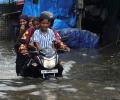
The last time the southwest monsoon arrived earlier than in 2025 -- that is, back in 2009 -- the rains lost steam after the early onset and ended the season with almost 23 per cent deficient rainfall, which was the lowest recorded average rainfall in several decades over India.

The frequency of short-duration, heavy rainfall events over central India and long-duration heavy rainfall events over the north-western coasts of the country has risen considerably in the last few decades.
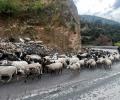
The edited sheep contains no foreign DNA, distinguishing it from transgenic organisms and paving the way for regulatory approval under India's evolving biotech policy framework.

As much as 60 per cent of all resolution plans under Insolvency and Bankruptcy Code (IBC) were approved in the last three years alone, with over 30,000 cases having an underlying default of Rs 13.8 trillion getting settled even before admission, according to data till December 2024 released by the Insolvency and Bankruptcy Board of India (IBBI).

'We believe that in the new world order FTAs or bilateral trade agreements (BTAs) are the way forward.' 'They are enablers for our participation in global value chains. Today, around 70 per cent of global trade is tied to these chains.'

A decline in the initiation of the corporate insolvency process last year is spurring most Big Four firms to rethink and rejig their insolvency verticals to focus on business beyond Insolvency and Bankruptcy Code (IBC), industry experts said. Between the June and December quarter of FY25, the number of insolvency applications initiated by financial creditors went down from 150 to 84.

The varieties will take at least 4 to 5 years to reach farmers after they complete the usual cycle of breeder, foundation and certified seeds.

The prospect of protracted uncertainties in the global economic landscape not only pose a risk for India's growth outlook in 2025-26, but are also likely to dent the private sector's capital raising and investment plans, the finance ministry averred on Tuesday, cautioning the country's corporates that the era of 'easy pickings' was over.

The government is considering initiating a probe by the Serious Fraud Investigation Office (SFIO) against Gensol Engineering and its promoters, according to sources familiar with the matter. "It is under consideration at this stage. A final decision will be taken soon," a government official said.

India's policy for agriculture trade must move commodity-by-commodity to gain maximum benefits as US President Donald Trump's 26 per cent tariff on exports from the country take effect, said agriculture economist Ashok Gulati in a recent policy paper.

Skymet expects a good monsoon over western and southern India.

Seafood is one of India's largest agricultural exports after basmati rice and buffalo meat.

The US Trade Representative noted that India's average applied tariff rate stood at 17% per cent, the highest of any major world economy.

Geopolitical tensions, trade policy uncertainties, volatility in international commodity prices and financial market uncertainties pose considerable risks to India's economic growth in the coming year, the finance ministry cautioned on Wednesday. "Global trade continues to be affected by uncertainty in the policy environment... tariff-related developments in multiple countries have heightened trade-related risks, affecting investment and trade flows globally.

'Indian players in the digital market should not be dominated by global players, and they should not dominate the smaller players -- these discussions are on.'
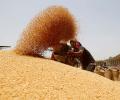
Wheat production during the current season is expected to be better than last year provided the weather remains favourable over the next few weeks, said senior industry executives. The weather had turned uncharacteristically hot in the latter half of last month, but owing to strong winds, the chill has returned in the last few days.
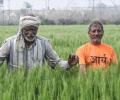
'Rainfall does not appear to have a statistically significant impact on foodgrain production since the last few years, which contrasts with the traditional view of India's heavy reliance on monsoon rains for agriculture.'

The Pradhan Mantri Awas Yojana-Grameen has the highest unutilised amount (Rs 13,111 crore) compared to any other centrally sponsored scheme.

'The size of the investments is important, but equally crucial is the number of jobs that these proposals create.'
 © 2026 Rediff.com - Investor Information - Advertise with us - Disclaimer - Privacy Policy - Sitemap - Feedback - About us - Terms of use - Grievances